Source Beverage Bottle Induction Sealer for Drinks, Dairy, and Oil
Find and compare 30 beverage bottle induction sealer options for sealing drinks, dairy products, and oil containers. These machines feature automatic or semi-automatic grades, varying power ratings, and online dynamic designs to suit different packaging speeds and material types; compare the available evidence and request quotations based on your requirements.
Key considerations
Products List


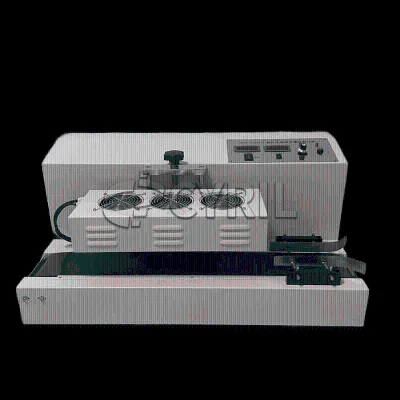
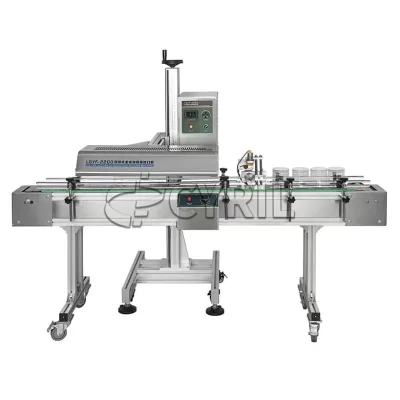
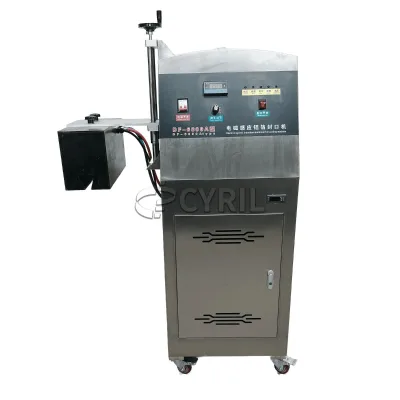
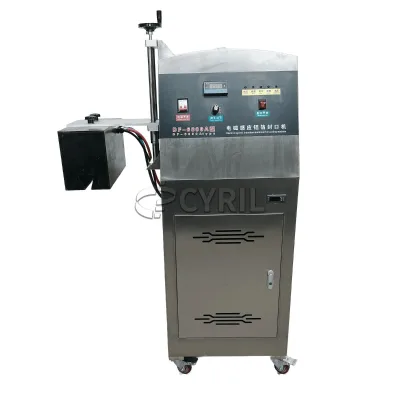
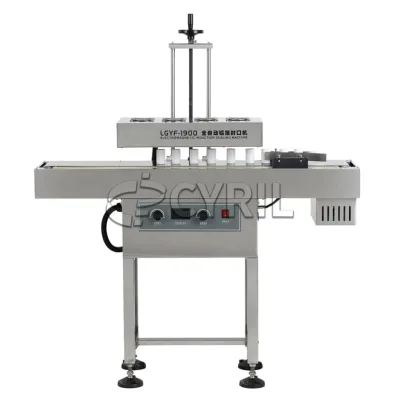
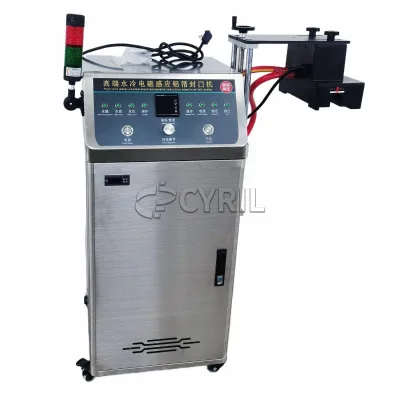


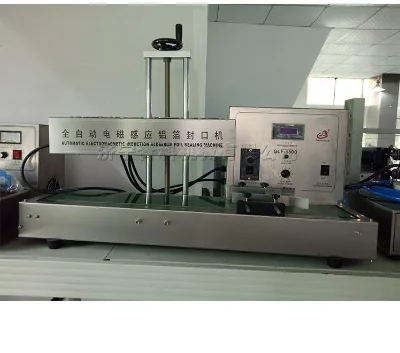


Comprehensive Sourcing Guide
Beverage Bottle Induction Sealer Sourcing Guide
Procuring induction sealing equipment requires a precise alignment between production volume, container geometry, and operational constraints. Buyers must distinguish between semi-automatic handheld units and fully automatic inline systems, as the choice dictates labor costs and throughput capabilities. The observed market data indicates a wide variance in machine configurations, ranging from compact desktop models to larger industrial units. Understanding these distinctions is critical for avoiding over-specification or under-capacity issues that can disrupt supply chain continuity.
The primary decision point involves matching the sealer’s sealing range to your specific bottle neck dimensions. Listings show sealing ranges such as 20-80mm and 50-100mm, which must correspond exactly to your product line. Additionally, the automatic grade varies from semi-automatic to fully automatic, impacting labor requirements. Buyers should verify if the machine supports the specific liquid or bulk solid applications intended, such as beverages, dairy, or cosmetics. Ensuring the equipment handles the correct material type prevents operational failures and ensures consistent seal integrity across diverse product categories.
Product Scope and Observed Listing Signals
The scope of available induction sealers spans a broad spectrum of industrial applications, including beverages, dairy products, skin care, and cleaning detergents. Observed listings highlight machines designed for both liquid and bulk solid materials, indicating versatility in material handling. The packaging types associated with these machines include bottles, bags, and cartons, suggesting that the sealing process is integral to the final packaging stage. Buyers must identify whether their production line requires a standalone unit or an integrated system that interfaces with existing filling and capping machinery.
Key listing signals include specific model numbers like LGYF-1900 and LGYF-1500A, which often denote distinct performance tiers. The observed price range of $0.1 to $6000 reflects the diversity in machine complexity, from basic components to complete automated lines. Minimum order quantities (MOQ) range from 1 to 100 units, allowing for both single-unit procurement and bulk purchasing. Buyers should analyze these signals to determine if the supplier offers modular upgrades or fixed configurations. Understanding these market signals helps in negotiating better terms and selecting a machine that aligns with current and future production scales.
Technical Specifications to Verify
Technical verification begins with power consumption and voltage compatibility. Observed specifications include power ratings of 400W and 2000W, with a standard voltage of 220V. Buyers must confirm that their facility’s electrical infrastructure supports these requirements, particularly for higher-power automatic models. The core components, such as motors and engines, should be inspected for durability and efficiency. Ensuring the correct driven type, typically electric, is essential for maintaining consistent performance and minimizing energy costs over the machine’s operational life.
Sealing speed and capacity are critical metrics for high-volume production. Listings indicate speeds up to 7500 bottles per hour, which must be validated against your target output. The machine size, such as 4504501050mm, and weight, ranging from 21kg to 55kg, affect floor space planning and installation logistics. Buyers should also verify the cooling type, with air-cooled systems being common, to ensure thermal management under continuous operation. These technical details determine the machine’s suitability for specific production environments and its ability to maintain seal quality at high speeds.
Compliance and Safety Documentation
Safety documentation is paramount for industrial equipment, particularly those handling electrical components and high-temperature processes. Buyers should request IP ratings, with IP40 being a common standard for dust and water protection. This rating ensures the machine can operate in typical factory environments without risk of electrical short circuits. Additionally, machinery test reports should be provided by the supplier to verify that the equipment meets safety standards and performs reliably under load. These documents serve as proof of compliance and reduce liability risks for the buyer.
Warranty terms and after-sales service are also critical components of compliance. A standard warranty of one year is observed in listings, but buyers should clarify what is covered, including parts and labor. Video technical support is listed as an available service, which can be valuable for troubleshooting and operator training. Ensuring that the supplier provides comprehensive documentation, including user manuals and safety guidelines, facilitates smooth installation and operation. These compliance elements protect the buyer’s investment and ensure regulatory adherence in various markets.
Cost Drivers and Commercial Terms
Cost drivers for induction sealers include the level of automation, machine capacity, and additional features such as cooling systems and control interfaces. Semi-automatic units are generally less expensive than fully automatic inline systems, which offer higher throughput but require significant capital investment. Buyers should evaluate the total cost of ownership, including maintenance, energy consumption, and potential downtime. The observed price range reflects these variations, with higher-priced units typically offering advanced features and greater durability.
Commercial terms, including payment methods and delivery schedules, should be negotiated carefully. Minimum order quantities (MOQ) of 1 to 100 units allow for flexibility in purchasing, but bulk orders may offer better pricing. Buyers should clarify lead times and shipping arrangements, as international logistics can impact project timelines. Additionally, understanding the packaging type, such as wooden cases or cartons, helps in planning storage and handling. These commercial factors influence the overall procurement cost and should be aligned with the buyer’s budget and operational requirements.
Supplier Qualification and Quality Control
Supplier qualification involves assessing the manufacturer’s experience, technical expertise, and quality control processes. Buyers should verify the supplier’s location, with origins in Dongguan and Henan, China, indicating established manufacturing hubs. Requesting samples or conducting factory audits can provide insights into the supplier’s production capabilities and quality standards. The presence of a machinery test report and a one-year warranty suggests a commitment to product reliability, but buyers should seek additional references or case studies to validate performance claims.
Quality control measures should include inspection of core components, such as motors and engines, to ensure they meet specified standards. Buyers should request detailed specifications for these components and verify their compatibility with the machine’s operational requirements. Additionally, the supplier’s ability to provide customization options, as indicated by the "Available" attribute, can be a significant advantage for buyers with unique production needs. Engaging with suppliers who offer robust quality control and customization capabilities ensures that the equipment meets specific operational demands and maintains long-term reliability.
Long-Term Procurement Checks
Long-term procurement checks focus on the sustainability and scalability of the equipment. Buyers should evaluate the machine’s ability to handle future product lines or increased production volumes. The observed sealing ranges and speeds provide a baseline for capacity planning, but buyers should consider potential upgrades or modifications. Ensuring that the supplier offers spare parts and technical support is crucial for minimizing downtime and extending the machine’s operational life. This forward-looking approach ensures that the investment remains viable as business needs evolve.
Additionally, buyers should monitor market trends and technological advancements in induction sealing technology. Staying informed about new features, such as improved energy efficiency or enhanced control systems, can inform future procurement decisions. Establishing a relationship with the supplier for ongoing support and updates can provide valuable insights into best practices and emerging technologies. These long-term checks ensure that the procurement strategy remains aligned with business goals and industry standards, maximizing the return on investment over time.
FAQs
What sealing speed can this machine achieve?
This machine achieves a sealing speed of 7500 bottles per hour. It is designed for automatic operation and handles various liquid and bulk solid applications efficiently.
Can the machine handle different product types?
Yes, the machine applies to snacks, vegetables, fruits, drinks, dairy, cosmetics, oil, and cleaning products. It also processes seasoning, rice, flour, and tea effectively.
What is the power consumption of the unit?
The maximum power consumption is 2000 watts. Another model variant operates at 400 watts, ensuring energy efficiency for different production scale requirements.
Is customization available for this sealing machine?
Customization is available for this sealing machine. Buyers can request specific configurations to match their unique packaging needs and production line layouts.
What warranty is provided for the equipment?
A one-year warranty is provided for the equipment. Buyers also receive video technical support to assist with installation and troubleshooting during the warranty period.
What are the dimensions of the machine?
The machine size is 450 by 450 by 1050 millimeters. Standard dimensions also include 700mm, 760mm, and 1400mm variations depending on the specific model configuration.
Where is the machine manufactured?
The machine originates from Dongguan, China. Some components or models may also be associated with production facilities in Henan, China, ensuring quality manufacturing standards.